As the World Pivots Back to the Centre-Right, ESG Is Becoming Less About Paris and Paperwork — and More About People, Performance, and Practical Value

In recent years, ESG (Environmental, Social and Governance) has become deeply embedded in the way businesses report, invest, and strategise. It was driven by climate urgency, global agreements like the Paris Accord, and a rapidly growing set of frameworks like the TCFD, GRI, ISSB, and UN SDGs.

But things are changing.

As the political landscape shifts back toward the centre-right in many parts of the world, the ESG conversation is evolving. Compliance and alignment with global standards are no longer the only game in town. ESG is starting to look more local, more practical, and more integrated with core business value.

This doesn’t mean ESG is going away — far from it. But it does mean the way businesses approach ESG must change. It’s no longer just about ticking boxes. It’s about performance, people, and purpose.

ESG in a Centre-Right World: From Guidelines to Ground Truth

Centre-right governments tend to resist regulation and favour market-led solutions. That’s changing the ESG dynamic. Boards are asking:

  • What’s material to our business?
  • What are the commercial benefits?
  • How do we show outcomes, not just intentions?
  • The result? A leaner, sharper ESG — focused on what matters most.

Australia’s Reporting Regime: Momentum You Can’t Ignore

In Australia, the mandatory climate-related financial disclosure regime kicks off in 2025 for Tier 1 reporters. Even if the political winds shift and mandatory requirements are softened or delayed, the direction is set.

Investors, banks, clients, and insurers are already requiring ESG transparency. Inertia will keep the market moving — with or without regulation.

For businesses not yet captured by the rules, now is the time to act. By moving early, you can:

  • Build internal ESG capability
  • Establish data systems and governance
  • Position yourself ahead of slower competitors

In ESG, being ready is a competitive edge.

ESG Is Now a Talent Strategy

One of the strongest cases for ESG in a centre-right environment? Your people.

Younger generations — and increasingly, employees of all ages — want to work for companies that reflect their values. ESG is about creating workplaces that are:

  • Purpose-led
  • Inclusive
  • Sustainable
  • Transparent

Companies that live their ESG values attract stronger talent, retain their best people, and build better cultures.

In a tight labour market, that’s not idealism — it’s smart workforce strategy.

ESG and Access to Capital

Even without mandates, ESG is already baked into lending, insurance, and investment decisions. Poor ESG performance means:

  • Higher premiums
  • Tighter lending conditions
  • Lost investor interest
  • Exclusion from tenders and supply chains

Banks and super funds aren’t waiting for regulation. They’re pricing ESG risk now. If you’re not aligned, you’re paying for it — one way or another.

ESG as a Risk Management Tool

Good ESG is good business risk management. It helps companies:

  • Prepare for climate and energy shocks
  • Address modern slavery and supply chain ethics
  • Manage reputational risk
  • Maintain community trust and social licence

When done well, ESG is not the risk — it’s how you manage it.

Local, Not Just Global

ESG used to be about aligning with frameworks created in New York, Brussels, or Geneva. That still matters — but increasingly, ESG is judged by what happens on the ground.

In Australia, this includes:

  • Creating regional jobs
  • Partnering with Indigenous communities
  • Rehabilitating land and water
  • Building community trust

The most credible ESG stories are local and lived, not just reported.

Digital ESG: A Smarter Way Forward

New tools are changing the game. From AI to ESG data platforms, businesses are moving beyond spreadsheets and PDFs to real-time reporting and performance dashboards.

Digitising ESG:

  • Saves time and cost
  • Creates clearer insights
  • Makes reporting scalable and repeatable
  • Supports integration across finance, HR, ops, and risk

Technology makes ESG smarter, faster, and easier to embed.

The Cost of Waiting

Tempted to wait? Don’t.

Doing nothing now could mean:

  • Lost tenders
  • Scrambling to meet reporting deadlines
  • Failing to attract top talent
  • Falling behind in your industry

Inaction is not neutral. It’s risky.

ESG: From Compliance to Culture

ESG isn’t disappearing. It’s evolving.

The smartest organisations are embedding ESG not in their compliance teams — but in their strategy, operations, culture, and communications. ESG is no longer just about satisfying regulators. It’s about building resilient businesses that attract talent, reduce risk, access capital, and earn community trust.

In short, ESG is growing up. And those who act early, act smart, and act locally will be the ones who lead.

#ESG #Sustainability #BusinessStrategy #Leadership #Governance #AustraliaESG #Workforce #DigitalTransformation #RiskManagement

Integrating Circular Economy Principles into Mine Closure Planning: The Role of Circular Flow Analysis

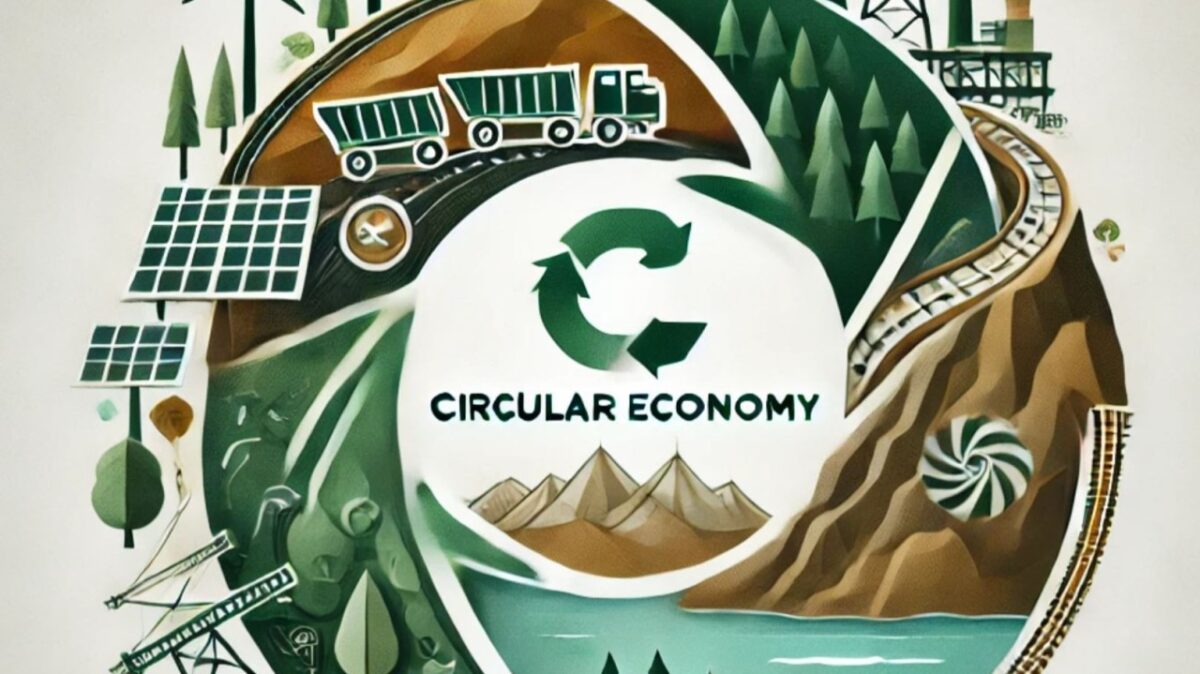
As industries shift towards more sustainable operations, mine closure planning is undergoing a significant transformation. Traditionally, mine closures have followed a linear model, where resources are extracted, used, and then discarded. However, by embedding circular economy principles, closures can extend beyond mere compliance to deliver long-term environmental and economic benefits. A key tool enabling this transition is circular flow analysis, which employs various modelling and assessment techniques to identify opportunities for circularity within mine closure strategies.


From Linear to Circular: The Power of Circular Flow Analysis

Circular flow analysis is a suite of quantitative and qualitative methods that examine the movement of materials, energy, waste, and economic value within a system. These approaches help mine closure planners understand how resources circulate within the system, identifying opportunities to retain value, repurpose materials, and close resource loops. This data-driven methodology enables targeted interventions that minimise waste, maximise reuse, and reduce environmental impact.


Key Applications of Circular Flow Analysis in Mine Closure

  1. Material Flow Analysis (MFA) for Resource Recovery
  2. Water Flow Modelling for Sustainable Management
  3. Energy Flow Modelling for Renewable Integration
  4. Biodiversity and Ecosystem Flow Analysis


Technical Methods for Circular Flow Analysis in Mine Closure

To implement circular economy strategies effectively, several technical methods are employed to analyse and optimise resource flows:

  1. Material Flow Analysis (MFA)
    • A systematic approach to quantifying material movement within a system.
    • Helps identify resource recovery opportunities and potential for reuse in mine closure projects.
  2. Life Cycle Assessment (LCA)
    • Evaluates the environmental impact of a mine closure strategy across its entire life cycle, from extraction to rehabilitation.
    • Aims to optimise sustainability outcomes by reducing waste and emissions.
  3. Substance Flow Analysis (SFA)
    • Tracks specific chemical substances or pollutants within a mining system.
    • Useful for managing contaminants in tailings, mine water treatment, and soil remediation.
  4. Systems Dynamics Modelling (SDM)
    • Simulates complex interactions between material, energy, and economic flows.
    • Helps predict long-term sustainability outcomes and informs decision-making in circular mine closure planning.
  5. Industrial Ecology and Symbiosis Modelling
    • Focuses on creating closed-loop systems where waste from one industry serves as input for another.
    • Applied to repurpose mining waste in construction, manufacturing, or agriculture.
  6. Circularity Assessment Models (CAMs)
    • Evaluates the circularity performance of a mine closure strategy by mapping resource flows and intervention points.
    • Benchmarks sustainability performance against global circular economy standards.


Key Strategies for a Circular Economy in Mine Closure

  1. Repurposing Mining Infrastructure and Materials
    • Reusing mine buildings and equipment for alternative industries such as vertical gardens, manufacturing, research, tourism, or intensive agriculture or aquaculture.
    • Deconstructing and salvaging materials such as steel, concrete, and machinery for reuse in new construction projects or other existing projects.
    • Considering former tailings storage facilities as sources of secondary minerals through advanced re-processing technologies.
  2. Maximising Beneficial Land Use
    • Converting decommissioned sites into renewable energy hubs, such as solar or wind farms.
    • Creating new agricultural or forestry projects, turning rehabilitated land into productive farming zones, considering manufacturing, vertical gardens, etc.
  3. Circular Water Management and Ecosystem Rehabilitation
    • Designing closed-loop water treatment systems to ensure mine water is treated and reused efficiently for other long term beneficial uses.
    • Applying bioengineering techniques to restore soil and water quality in degraded mine landscapes.
    • Creating artificial wetlands and natural filtration systems to support local biodiversity while improving water management.


Global Case Studies in Circular Mine Closure

  1. Kidston Gold Mine, Australia – Renewable Energy Repurposing
    At the Kidston Gold Mine in Queensland, Australia, circular flow analysis was used to assess the feasibility of pumped hydro energy storage, repurposing former mine pits as reservoirs. This approach created an efficient closed-loop water system, ensuring sustainable energy production.
  2. Eden Project, United Kingdom – Quarry to Ecotourism Hub
    The Eden Project in Cornwall, UK, transformed a former clay quarry into an ecotourism and educational facility. Flow modelling played a key role in designing a self-sustaining water system and enabling waste repurposing in construction.
  3. LKAB, Sweden – Circular Mining Waste Use
    Swedish mining company LKAB leveraged circular flow analysis to track phosphorus and rare earth elements in mining waste, facilitating resource recovery for fertiliser and battery production.
  4. Sudbury, Canada – Ecosystem Restoration with Circular Water Management
    The Sudbury Basin in Ontario, Canada, employed water and soil flow modelling to guide reforestation and wetland creation, ensuring biodiversity restoration.
  5. Zeche Zollverein, Germany – Industrial Heritage Redevelopment
    At Zeche Zollverein, a former coal mine in Germany, industrial ecology modelling guided the redevelopment of infrastructure into business, cultural, and recreational spaces, preserving its historical significance.


The Future of Circular Mine Closure: A Data-Driven Approach

By integrating circular flow analysis into mine closure planning, industry stakeholders can move beyond linear decommissioning to circular, regenerative strategies. This approach is important because it:

  • Optimises resource use by tracking materials, water, and energy.
  • Reduces waste and emissions through intelligent planning.
  • Creates long-term value by repurposing infrastructure and resources.

As expectations evolve, circular flow analysis and circular economy principles will be vital in ensuring that former mine sites become long-term assets rather than environmental liabilities.

Post-Mining Communities: How Circular Economy Hubs could Transform closed Mine sites in Australia.

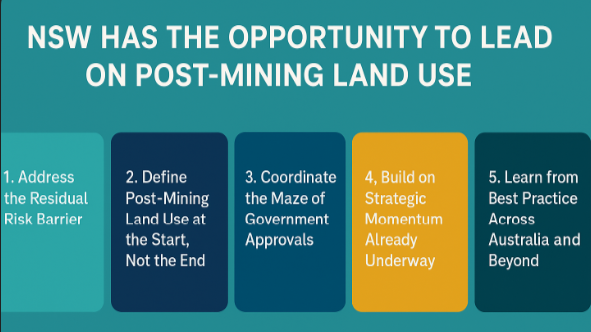
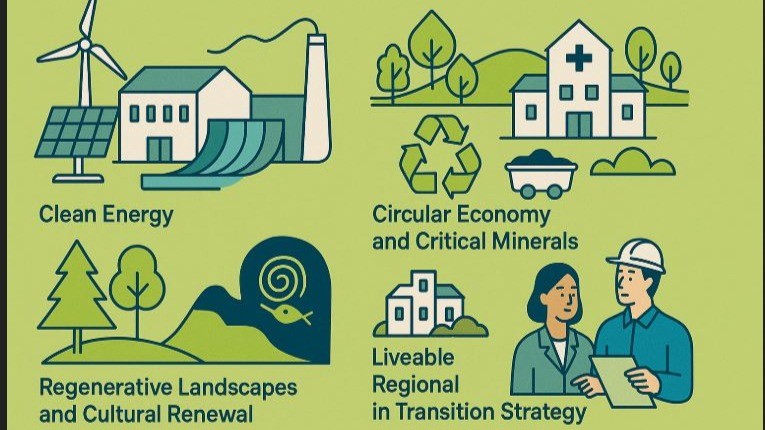
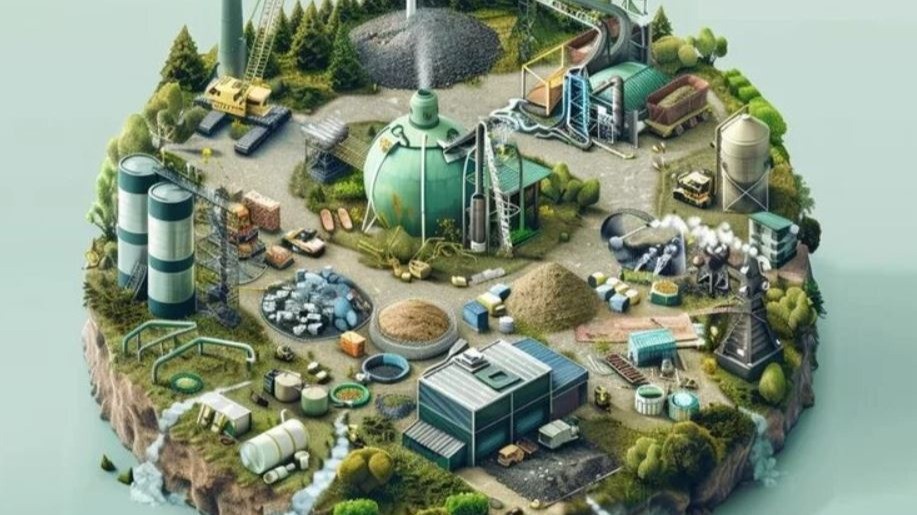
Mining communities face a critical challenge: how to reinvent themselves beyond closure of the mine. The current approach to mine closures in NSW have the potential to leave the regions struggling as it is dominated by biodiversity and traditional grazing outcomes which are a remnant of the current Planning and Approval process. However, a new solution is emerging—Circular Economy (CE) Hubs—which integrate waste recovery, renewable energy, sustainable food production, and advanced manufacturing into a self-sustaining industrial ecosystems, particularly in areas that are currently industrial areas with significant infrastructure like high voltage power, water and sheds.

Around the world, former industrial sites are being repurposed into thriving economic hubs that drive investment, create jobs, and position mining regions as leaders in sustainable industries. This article explores case studies of successful CE hubs and examines how an approach that looks outside the current thinking to new things like integrating vertical farming, intensive agriculture, and industrial symbiosis which has the potential to create a high-value, resilient economy post-mining.


Case Studies: Circular Economy Hubs in Action

1. Kalundborg Symbiosis, Denmark – Industrial Resource Sharing

The Kalundborg Symbiosis is one of the world’s best-known circular economy industrial hubs, demonstrating how businesses can exchange energy, water, and materials to reduce waste and improve efficiency. Located in Denmark, this network includes power plants, pharmaceutical companies, and manufacturing industries that share by-products to minimise waste and maximise resource use.

Lessons for a Post-Mining CE Hub:

  • Industrial symbiosis can be applied to a mine-adjacent precinct, where industries share energy, water, and waste streams.
  • Excess heat from industrial processes can support climate-controlled farming, aquaponics, or feedlot operations.
  • Organic waste from intensive agriculture or food processing can be converted into bioenergy, compost, or animal feed.

2. Kwinana Industrial Area, Australia – A Model for Circular Manufacturing

The Kwinana Industrial Area (KIA) in Western Australia is a successful example of circular industry clustering. Located near Perth, KIA businesses share utilities, by-products, and waste streams to create a low-emission, high-efficiency industrial ecosystem.

How This Applies to a Mine Closure CE Hub:

  • Mine tailings and quarry by-products can be repurposed into sustainable building materials.
  • Renewable energy integration can power agriculture, aquaculture, and intensive animal farming.
  • Recycled water from former mining operations can support hydroponic farming and irrigation for feedlots.

3. Zollverein, Germany – From Mining to Sustainable Industries

The Zollverein Coal Mine Industrial Complex in Germany has been transformed into a sustainable innovation hub that combines renewable energy, research, and tourism. Once one of Europe’s largest coal mines, it now houses cultural institutions, technology startups, and a renewable energy centre.

Lessons for a Mine Site CE Hub:

  • Mine site infrastructure can be repurposed into food production, tourism, or research facilities.
  • Eco-tourism and education can provide additional revenue streams.
  • Green energy and agri-tech startups can be incentivised to set up operations in the hub.


Designing a Circular Economy Hub with Intensive Agriculture and Vertical Farming

A post-mining CE hub should incorporate intensive agriculture alongside renewable energy, waste recovery, and manufacturing. This ensures a diverse and resilient economy that can support employment, investment, and environmental sustainability.

1. Vertical Farming & Controlled-Environment Agriculture

One of the most innovative approaches to sustainable food production is vertical farming, which offers year-round, high-yield food production with minimal land and water use.

  • Hydroponic and aeroponic systems use 90% less water than conventional agriculture.
  • Climate-controlled greenhouses provide optimal conditions for high-value crops such as herbs, berries, and leafy greens.
  • Aquaponics combines fish farming with plant growth, creating a closed-loop nutrient system.

Circular Economy Benefits:

  • Uses recycled mine water for irrigation.
  • Reduces food kilometres by providing locally grown produce to mining communities and cities.
  • Uses renewable energy to power farm operations.

Economic Impact:

  • Job creation in agritech, food science, and logistics.
  • Potential for high-value crop exports to urban markets.

2. Intensive Agriculture & Sustainable Feedlots

To fully utilise the available land, a CE hub could include sustainable livestock farming, feedlots, and alternative protein production.

Sustainable feedlots can be integrated with bioenergy systems, where animal waste is converted into biogas.
Alternative protein production (e.g., insect farming, algae-based feeds) can provide low-carbon animal feed.
Hydroponic fodder systems can be installed within the precinct, reducing the need for imported feed.

Circular Economy Benefits:

  • Feedlots can be powered by renewable energy, reducing emissions.
  • Animal waste can be converted into organic fertiliser for vertical farms or crops.
  • Reclaimed mine land can be used for pasture-based livestock production, supporting local meat and dairy industries.

Economic Impact:

  • New jobs in livestock management, feed production, and meat processing.
  • Revenue generation from sustainable agriculture supply chains.

3. Renewable Energy Integration

A CE hub must be powered by renewables to ensure long-term sustainability and low operating costs.

Key Technologies:

  • Solar and wind farms to provide cheap, clean energy.
  • Pumped hydro storage using old mine voids.
  • Biogas production from organic waste and animal manure.

Economic Benefits:

  • Lowers energy costs for businesses in the hub.
  • Creates a low-carbon industrial zone, attracting investment.
  • Supports green manufacturing and energy-intensive industries.


Final Thoughts: The Future of Post-Mining Transformation

The transition from mining to a circular economy hub is no longer a hypothetical concept—it is already happening in different parts of the world. By integrating vertical farming, intensive agriculture, renewable energy, and industrial symbiosis, mining communities can become global leaders in sustainable industries.

Forward-thinking regions can embrace circular economy principles to build prosperous, resilient economies. The opportunity is too significant to ignore—and the time to act is now.

Putting People First: How Employee Engagement and Technology Drive Sustainability

In the pursuit of a more sustainable future—one that safeguards resources and opportunities for future generations—organisations are discovering a powerful, often untapped, ally: their own employees. By empowering staff to play an active role in carbon management, companies are not only making significant environmental strides but also transforming workplace culture. The partnership between Integrated Environmental Management Australia (IEMA) and carbon accounting platform Sumday highlights how engaging employees, combined with cutting-edge technology, can deliver tangible sustainability outcomes and strengthen client and stakeholder trust.

For small and medium-sized businesses (SMEs)—many of which may not have yet turned their focus to sustainability—this represents a tremendous opportunity. By taking proactive steps to address emissions and integrate sustainability, SMEs can position themselves as leaders in their industry and gain a significant competitive edge over larger, slower-moving rivals.


The People-Centric Approach to Carbon Management

It’s no secret that sustainability initiatives often live or die by the level of employee buy-in. Organisations that succeed in engaging their workforce find that the benefits extend far beyond compliance or public relations. For SMEs, where resources are often stretched, harnessing the passion and creativity of employees can be a game-changer.

“People want to see the difference they’re making,” says Andrew Hutton, Managing Director of IEMA. “When employees are equipped with tools to track and reduce emissions, it fosters a sense of ownership and collective responsibility. Sustainability becomes personal, not just a corporate goal.”

Engaging employees in emissions reduction offers several advantages:

  • Awareness and Accountability: Involving staff in sustainability initiatives raises awareness of the environmental impacts of their roles, encouraging accountability and innovation in daily operations. For SMEs, this can unlock low-cost or no-cost opportunities to reduce emissions through behavioural changes.
  • Empowered Action: Providing employees with access to tools like real-time emissions tracking allows them to see the immediate effects of their actions, making sustainability tangible rather than abstract.
  • A Collaborative Culture: Carbon management often requires input from multiple departments. In smaller businesses, this fosters teamwork across often tightly knit teams, creating stronger bonds.
  • Job Satisfaction and Retention: A workplace that values sustainability is often more appealing to employees, especially younger generations, who see environmental action as a key organisational responsibility. This is particularly important for SMEs competing for top talent against larger organisations.


Technology as the Enabler: The IEMA-Sumday Partnership

While engaging employees is critical, organisations also need the right tools to turn intention into impact. This is where the collaboration between IEMA and Sumday comes in. Together, they are equipping businesses—large and small—with a suite of technology solutions designed to simplify and enhance carbon accounting and reporting.

For SMEs, this partnership offers an accessible entry point to sustainability. Many small businesses may not have the in-house expertise or resources to implement complex sustainability strategies, but Sumday’s intuitive platform and IEMA’s guidance make the process manageable and effective.

The Sumday Advantage

Sumday’s platform is built to integrate seamlessly into existing business processes, providing a straightforward and effective solution to carbon management. Key features include:

  • Automated Data Collection: By automating the collection of emissions data across operations, the platform eliminates time-consuming manual entry, allowing employees to focus on analysis and action.
  • Real-Time Emissions Tracking: Staff can monitor the company’s carbon footprint in real-time, enabling swift adjustments to processes and strategies. This feature is particularly valuable for SMEs looking to act quickly and demonstrate progress.
  • Scenario Modelling: Sumday’s tools allow employees to explore the impact of different sustainability initiatives, helping organisations to plan and prioritise effectively.
  • Detailed Reporting Tools: The platform generates professional, compliant reports that can be shared with stakeholders, demonstrating the organisation’s commitment to transparency and accountability. For SMEs, this level of reporting can rival that of much larger competitors, levelling the playing field.
  • Integration Capabilities: Sumday integrates with existing systems, ensuring minimal disruption during implementation and faster adoption by staff.


Strengthening Relationships with Clients and Stakeholders

Engaging employees in sustainability is only part of the story. By leveraging the insights provided by platforms like Sumday, organisations can also build stronger connections with clients and stakeholders.

For SMEs, this is a particularly valuable opportunity. Many small businesses operate in close-knit communities or niche markets where transparency and trust are critical. Sharing emissions data and sustainability progress not only strengthens client relationships but also positions SMEs as forward-thinking and responsible—qualities that increasingly influence purchasing decisions.

“Sustainability has become a key criterion for decision-making among consumers, investors, and partners alike,” says Hutton. “SMEs that embrace transparent reporting and actively pursue emissions reductions can punch well above their weight, attracting clients who prioritise environmental responsibility.”


The Bigger Picture

The IEMA-Sumday partnership illustrates how a well-rounded approach to sustainability—one that prioritises employee engagement and leverages advanced technology—can deliver benefits on multiple fronts. For SMEs, this combination of engaged employees, cutting-edge tools, and transparent reporting creates an opportunity to outpace competitors who may be slower to act.

More importantly, it signals a shift in how organisations of all sizes approach their role in securing intergenerational equity. This is not just about meeting regulations or ticking ESG boxes. It’s about embedding sustainability into the very fabric of how a business operates, involving employees, clients, and stakeholders in a shared journey towards a fairer, greener future.

As Andrew Hutton explains: “Sustainability isn’t something you achieve alone. It’s about collaboration, innovation, and putting people at the heart of the process. For small and medium-sized businesses, the opportunity to lead in this space is immense. By partnering with Sumday, we’re helping businesses of all sizes empower their teams and create lasting change.”

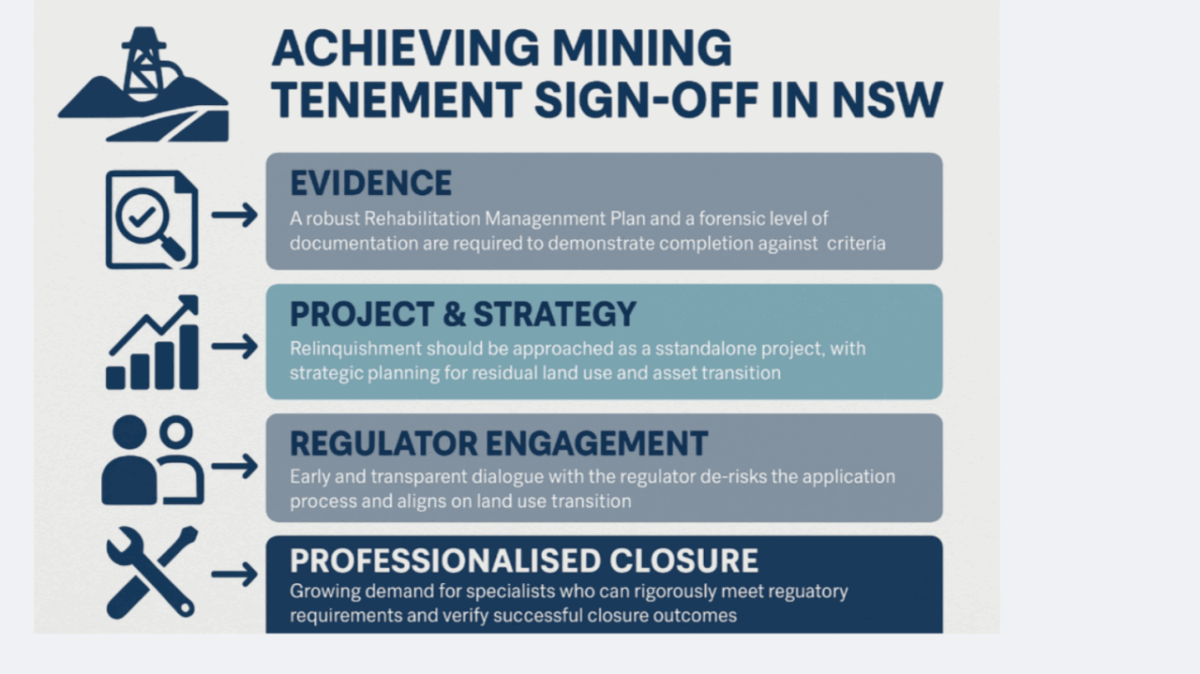
From Coal to Communities: The Push for Jobs and Housing After Mine Closures

Across NSW, coal mines that once powered entire communities are beginning to look to the future. From Gloucester, the Hunter Valley, Lake Macquarie, and to Wollongong in New South Wales, mining towns are grappling with the same urgent question: What comes next? Its not going to all hit now, but as mines naturally arrive at the end of their economical life along with a global transition away from fossil fuels , the focus is shifting to what these post-mining landscapes can offer—and how they can continue to provide jobs and opportunities for local our local communities.

Renewable energy projects and environmental rehabilitation are an important part of the solution mix, but they cannot provide the whole answer. For mining communities that have relied on high-paying, skilled jobs, the solution lies in combining these initiatives with bold and pragmatic land-use strategies that prioritise economic continuity, job creation, and long-term prosperity.


Repurposing Mining Land for Employment

Mining has always required a skilled workforce—engineers, heavy machinery operators, logistics managers—trained to work in demanding environments. These skills don’t have to disappear when the mines do. Across the globe, former mining regions are reimagining their futures with a focus on industries that provide meaningful employment.

One of the greatest untapped opportunities for transitioning mining sites lies in leveraging the existing infrastructure. Most mine sites are equipped with extensive facilities such as large industrial sheds, rail connections, water management systems, high-energy power supplies, fuel storage, and water infrastructure. These assets represent significant capital investments that, if preserved, could drastically reduce the costs of repurposing the land for alternative uses. However, current mine closure plans often focus on decommissioning and demolishing this infrastructure, eliminating a vital resource that could be repurposed to support new industries and job creation.

  • Industrial and Manufacturing Hubs: In Germany’s Ruhr Valley, a region once defined by coal mines is now thriving as a center for industrial technology and logistics. Similarly, in Canada’s Sudbury region, mining expertise has been leveraged to create a robust mining services and equipment manufacturing industry, sustaining thousands of jobs.
  • Housing Development: Closer to home, former mining areas near Lake Macquarie, Wollongong, and Newcastle present unique opportunities to address Australia’s growing housing crisis. Its not new – Belmont, Redhead, Dudley, Catherine Hill Bay and Wyee are all residential areas that were once mining land. With population growth driving demand for new homes, other sites in NSW could see disused mining land transformed into residential developments, creating construction jobs while delivering much-needed housing.


Housing as a Catalyst for Jobs

The transformation of post-mining land into housing developments offers more than just homes—it can revitalise entire regions. Residential projects require significant investment in infrastructure, such as roads, schools, and utilities, creating thousands of jobs in the process. Beyond construction, the influx of new residents supports local businesses, healthcare services, and schools, laying the foundation for sustainable economic growth.

Reimagining the Post-Mining Landscape

But there’s more…….Beyond housing, there are other industries that can breathe new life into these regions:

  • Intensive Agriculture: Rehabilitated mining land offers a unique opportunity for intensive agriculture projects such as aquaculture, vertical farming, feedlots, and poultry farms. These industries require less arable land than traditional farming while providing steady employment opportunities. For instance, aquaculture can utilise water-filled pits from mining operations, while vertical farming offers year-round crop production in repurposed industrial spaces.
  • Eco-Industrial Parks: Areas like the Latrobe Valley in Victoria are exploring eco-industrial parks that combine industrial development with environmental restoration, generating jobs in construction, operations, and maintenance.
  • Mining Services and Technology: Even after mining stops, the expertise of mining regions can be redirected into mining equipment manufacturing and innovation. Sudbury, Canada, has set a benchmark in this area, showing how a mining legacy can support cutting-edge industries.


Challenges and Opportunities

The road ahead requires a balanced and thoughtful approach. Renewable energy projects, while a critical part of the solution, may not always be the best fit for every mining site. These projects are often well-suited to former mine sites located further away from population centres, where the large tracts of land and existing infrastructure can support wind, solar, and battery storage facilities with minimal disruption. They play a vital role in Australia’s transition to a cleaner energy future and can provide jobs and economic value in more remote areas.

However, for former mining sites located closer to major urban centres, alternative land uses may deliver greater benefits to communities. Housing developments, intensive agriculture, industrial hubs, and eco-industrial parks have the potential to create more local jobs, drive economic growth, and meet pressing regional demands such as housing shortages and food production. These alternatives also allow for the integration of these sites into the broader urban fabric, ensuring that communities continue to thrive.

Crucially, the significant infrastructure already present on mining sites offers a head start for these projects. Preserving and repurposing facilities such as sheds, water and power systems, and rail connections can dramatically reduce the capital investment required, making these sites more attractive for redevelopment. Mining communities closer to urban areas have the opportunity to reimagine their futures in ways that align with regional needs and priorities, while remote sites can contribute to broader national goals such as renewable energy production. This tailored approach ensures that every site reaches its full potential in creating jobs and supporting local economies.

Governments, mining companies, and local stakeholders must collaborate to design and implement these strategies. Strong regulations, incentives for innovation, and investment in retraining programs will be key to ensuring communities are not only part of the solution but also benefit from the transition.


A New Chapter for Mining Towns

The closure of a mine doesn’t have to signal the end for a community. With strategic planning and a focus on job creation, post-mining landscapes can become the foundation of thriving, diverse economies. For regions like Wollongong, Newcastle, Lake Macquarie, the Hunter Valley, and Gloucester, the opportunity is clear: transform disused mining land into housing, intensive agricultural hubs, and industrial centers that create jobs and ensure long-term prosperity.

The communities that helped power Australia’s growth deserve a future filled with opportunity. By preserving existing infrastructure and investing in employment-driven land-use strategies, we can ensure they have one.

Unlocking the Benefits of Carbon Accounting: Beyond Compliance

As ESG reporting continues to dominate global conversations, businesses are increasingly expected to account for their greenhouse gas (GHG) emissions. In Australia, mandatory carbon reporting requirements, such as the National Greenhouse and Energy Reporting (NGER) scheme, ensure accountability and transparency. But is carbon accounting just a compliance exercise, or can it deliver real benefits to businesses? The answer is clear: carbon accounting, even when mandatory, can drive significant value for organisations. Here’s why.

What Is Carbon Accounting?

Carbon accounting involves measuring, tracking, and reporting the GHG emissions generated by an organisation’s activities. Emissions are categorised into three scopes:

  1. Scope 1: Direct emissions from owned or controlled sources (e.g., company vehicles or fuel combustion).
  2. Scope 2: Indirect emissions from the use of purchased energy (e.g., electricity).
  3. Scope 3: Indirect emissions throughout the value chain (e.g., suppliers, product use).

In Australia, the NGER scheme mandates reporting for corporations that exceed specific thresholds:

  • GHG emissions: 50 kilotonnes of CO₂-e or more.
  • Energy production or consumption: 200 terajoules or more annually.

These reports, submitted to the Clean Energy Regulator by 31 October each year, support the Safeguard Mechanism and contribute to Australia’s international climate commitments.

Why Go Beyond Compliance?

Mandatory reporting may seem like a regulatory burden, but it offers a wealth of opportunities to drive business performance and sustainability leadership. Here are seven key benefits:

  1. Cost-Saving Opportunities
    Carbon accounting shines a light on inefficiencies, helping businesses reduce energy use, streamline operations, and cut waste. These improvements often translate into lower operational costs.
  2. Competitive Advantage
    Sustainability leadership enhances market appeal. Customers, investors, and partners are increasingly favoring businesses with strong environmental practices. For suppliers, meeting or exceeding emissions reduction expectations can be a critical differentiator.
  3. Risk Management
    Proactive carbon accounting reduces exposure to regulatory and climate-related risks. Understanding your carbon footprint today can prepare you for future regulations, carbon taxes, or supply chain disruptions.
  4. Attracting Investment
    Sustainability is now a key criterion for investors. Transparent carbon reporting demonstrates commitment to Environmental, Social, and Governance (ESG) performance, improving access to funding and investment opportunities.
  5. Enhancing Reputation
    Demonstrating corporate responsibility builds trust with stakeholders. Clear communication of emissions reduction efforts not only strengthens brand loyalty but also boosts employee engagement and morale.
  6. Driving Innovation
    Engaging in carbon accounting fosters innovation. Many businesses discover new opportunities, such as transitioning to renewable energy, adopting energy-efficient technologies, or implementing circular economy models.
  7. Aligning with Global Goals
    By tracking and reducing emissions, businesses contribute to global sustainability initiatives, such as the Paris Agreement and the UN Sustainable Development Goals. This alignment strengthens relationships with governments, NGOs, and international markets.


The Australian Context

In Australia, carbon accounting plays a critical role in national climate strategies. The NGER scheme ensures transparency, informs government policy, and tracks progress towards reducing emissions. Data collected under this framework feeds into broader mechanisms like the Safeguard Mechanism, which sets emissions baselines for large facilities. Non-compliance can result in fines, penalties, or reputational damage, making accurate carbon accounting a non-negotiable for affected organisations.


Turning Compliance into Opportunity

Businesses required to report under frameworks like NGER shouldn’t view carbon accounting as merely a tick-the-box exercise. Instead, it’s an opportunity to create value, build resilience, and lead in a world transitioning towards net-zero.

By embracing carbon accounting, companies can:

  • Unlock cost-saving efficiencies.
  • Enhance their competitive position.
  • Future-proof their operations against evolving regulations.

In a rapidly changing global landscape, carbon accounting isn’t just a compliance tool—it’s a strategic imperative.

ASIC releases guidance on mandatory sustainability reporting

ASIC has released the Draft Regulatory Guide RG 000 Sustainability reporting to assist businesses in preparing for mandatory sustainability reporting, which will begin in Australia on 1 January 2025.

Key elements of the draft guide include:

  • Who must report
  • What content is required
  • How ASIC will oversee and enforce the new reporting regime

If you’re a director of a company that’s required to release annual financial reports under the Corporations Act, you may be required to report under the new sustainability regime. Please reach out if you’d like further advice about your obligations or how and when you should start preparing.


Key Elements of the Draft Guide

  1. Who Must Report: Outlines which organisations are required to prepare reports in compliance with the Australian Sustainability Reporting Standards (ASRS). Explains how the new requirements interact with existing legal obligations.
  2. Content of Reports: Covers climate-related financial disclosures, sustainability information, and its presentation. Includes guidance on disclosing Scope 3 emissions, risk management, and transition plans.
  3. ASIC’s Administration: Details ASIC’s approach to granting relief, issuing directions to companies, and enforcing compliance.


Directors’ Duty of Care and Diligence

Directors are responsible for ensuring compliance with the new reporting requirements. Obligations include:

  • Staying informed about material climate-related risks and opportunities.
  • Establishing systems to identify, monitor, disclose, and respond to risks.
  • Seeking expert advice but independently assessing and using it in good faith.


Transition Period and Modified Liability

ASIC recognises that mandatory sustainability reporting presents a step change for many businesses. Transition measures have been introduced to help businesses adapt, including:

  • Protected Statements: Limited liability for disclosures about future climate risks, such as strategies, targets, and Scope 3 emissions.
  • Protection from civil lawsuits for a limited period: Only ASIC or criminal proceedings can challenge the Protected Statements. Civil claims (e.g., for misleading conduct) are not permitted. ASIC can issue directions for incorrect, incomplete, or misleading information in sustainability reports.


Future Outlook

  • Over time, sustainability standards are expected to become common practice across the corporate sector, extending to the public sector and other agencies with tailored standards.
  • Early preparation is encouraged, including assessing current reporting capabilities and addressing gaps to ensure smooth compliance.

Driving Sustainability Together: Partnering with Our Suppliers for Carbon Neutrality

At IEMA – Integrating Sustainability, Business & Community, sustainability is more than a priority—it’s central to how we operate. In line with our commitment to reducing our environmental impact, we’ve made meaningful strides by calculating our real-time carbon footprint with the assistance of NetNada (www.netnada.com.au).

For FY24, our total carbon footprint amounts to 216.301 tCO₂e, encompassing Scope 1, 2, and 3 emissions. The largest share—192.882 tCO₂e—comes from Scope 3 emissions, reflecting the indirect impacts of our supply chain.


Insights from Engaging Our Supply Chain

As part of this effort, we’ve analyzed the contributions of our top suppliers to our Scope 3 emissions. For example:

  • One top 10 suppliers contributes 84.085 tCO₂e, representing approximately 43.6% of our Scope 3 footprint.

This analysis has helped us better understand the shared responsibility we all hold in reducing emissions and has guided how we approach collaboration across our value chain.


What We’ve Accomplished Together

In partnership with our suppliers, we’ve begun exploring innovative approaches to sustainability, including:

  • Data Sharing for Emission Accuracy: Collaborating to integrate suppliers’ Scope 1 and 2 emissions data into our calculations, moving away from spend-based estimates to more precise primary data.
  • Offsetting Practices: Evaluating how we can account for emissions generated by services while ensuring full transparency in offsetting these impacts.
  • Encouraging Carbon Neutrality: Supporting our suppliers in becoming carbon neutral, both for services provided to IEMA and across their broader operations, positioning them to offer competitive, sustainable solutions to all clients.


Building a Collaborative, Carbon-Neutral Future

This journey has shown us the power of collaboration in driving change. By engaging our supply chain, we’re creating a ripple effect—encouraging and supporting others to join us in the transition toward sustainability.

We’re excited to share these insights and learnings as part of our ongoing commitment to transparency and accountability. Together, we can reduce emissions, foster innovation, and contribute to a more sustainable future.

If you’d like to learn more about our approach or discuss how your organization can join this journey, we’d love to hear from you.


#Sustainability #CarbonNeutrality #Collaboration

Preparing for the Future: What New Sustainability Reporting Standards Mean for the Quarries and Extractive Industry

Australia is poised to adopt sweeping new sustainability reporting standards that will change how companies approach environmental, social, and governance (ESG) practices. The Australian Sustainability Reporting Standards (ASRS) will soon require large companies and listed entities to disclose sustainability-related information, in alignment with international frameworks like those set by the International Sustainability Standards Board (ISSB). This move towards consistent, reliable, and comparable data aims to provide investors and stakeholders with a more transparent view of environmental risks and sustainability performance.

For those of us in the quarries and extractive industries, these requirements may not yet be mandatory but are likely to apply soon. Taking a proactive approach to these standards now could position our sector as a leader in sustainable practices, ensuring readiness for future obligations while building trust with communities and stakeholders.

Why is Sustainability Reporting Necessary for the Extractive Industry?

The ASRS will introduce mandatory sustainability disclosures in phases, beginning in 2025. Larger entities will be the first to comply, with smaller companies required to join by 2027. This phased approach gives businesses time to establish the climate governance systems needed to meet Scope 1, Scope 2, and Scope 3 emissions standards.

Beyond emissions, the extractive industry has broader environmental impacts to consider, particularly around biodiversity loss and ecosystem health. While the Taskforce on Nature-related Financial Disclosures (TNFD) is not yet mandated in Australia, it provides a framework for understanding and managing nature-related risks. Given rising global expectations, mining and extractive companies will likely need to address ecosystem impacts in their governance practices. Legal experts also warn that failing to manage these risks could expose directors to liability under the Corporations Act 2001 (Cth), underscoring the need for companies to bolster their nature-related risk management.

Practical Steps for Embracing Sustainability Reporting

For companies preparing for these emerging regulations, readiness and a proactive strategy are essential.

  1. Assess Your Current Position
    Begin by assessing your sustainability practices, especially around Scope 1, 2, and 3 emissions. Knowing your current status will help you identify areas needing improvement as you prepare for ASRS compliance.
  2. Set Commitments
    Develop a strategy to reduce your carbon footprint and advance nature-positive practices. Integrate these goals into your company’s policies, risk management, and governance structures to lay a strong foundation for future reporting.
  3. Translate Goals into Action
    Move from strategy to execution by embedding sustainability commitments into daily operations. Whether your aim is net-zero emissions or meeting ASRS requirements, a clear focus on practical action will support meaningful progress.
  4. Monitor and Report Progress
    As you progress, ensure your actions are transparent and well-documented. Meeting ASRS disclosure requirements will help communicate your sustainability journey to stakeholders and highlight your proactive approach to environmental stewardship.

Adapting to these standards offers an opportunity for the quarries and extractive sector to showcase leadership in sustainable practices, positioning businesses to meet stakeholder expectations and demonstrate environmental accountability. By planning ahead, we can all contribute to a more resilient and sustainable future for the industry.

Focus on ESG in the Updated JORC Code: A Focus on Mine Closure Outcomes

Introduction

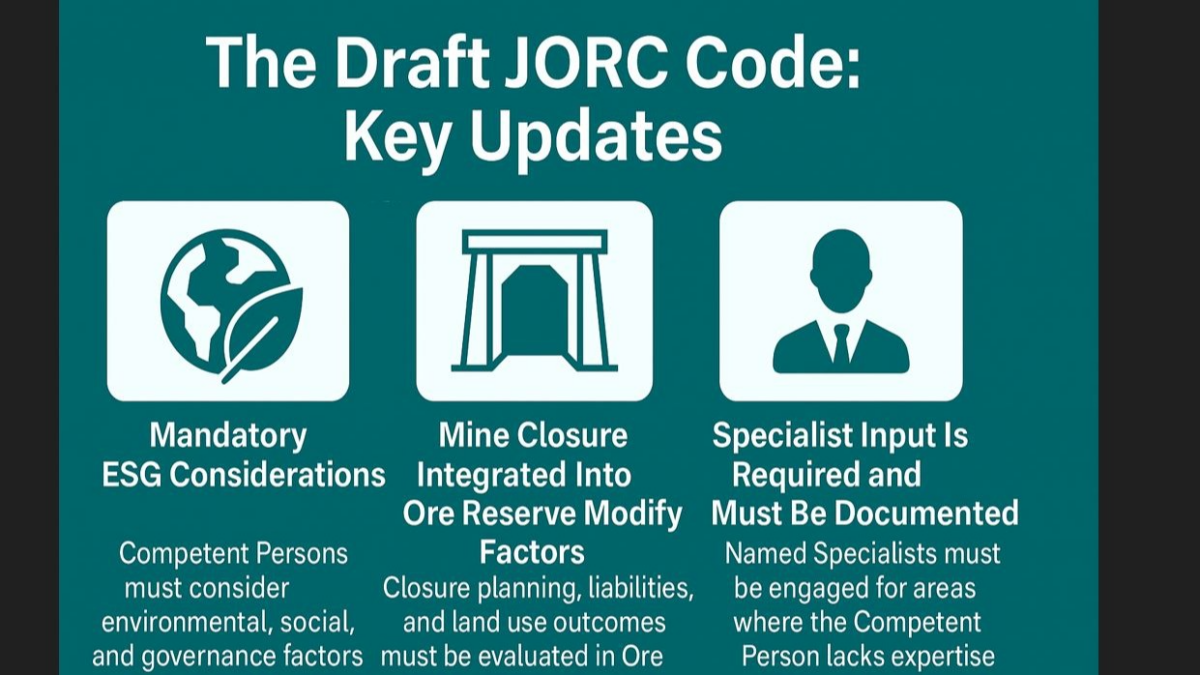
The mining industry is increasingly recognising the importance of Environmental, Social, and Governance (ESG) factors in project planning, execution, and reporting. The latest draft of the JORC Code which is up for consultation until 30th October 2024, reflects this shift by incorporating significant changes aimed at enhancing ESG disclosures. Among these updates, particular attention is given to mine closure outcomes, ensuring that sustainability is not an afterthought but a fundamental part of resource development from start to finish. https://www.jorc.org/

The Need for Enhanced ESG Reporting

In recent years, stakeholders, including investors, regulators, and communities, have demanded greater transparency and accountability in how mining projects address ESG issues. The draft JORC Code responds to these demands by introducing new clauses that require material ESG factors to be disclosed at every stage of a project’s life cycle, from exploration to closure.

The key changes focus on ensuring that ESG considerations are not only integrated into project planning but also reported with the granularity appropriate to the project stage. This approach ensures that as a project evolves, the understanding and management of ESG risks and opportunities become more detailed and aligned with the project’s maturity.

Key ESG Changes in the Draft JORC Code

The draft JORC Code introduces several key changes to improve ESG disclosures:

  1. Specific ESG Clauses: New clauses have been added that mandate the disclosure of material ESG considerations appropriate to the study stage. This ensures that from exploration through to closure, ESG factors are systematically considered and reported.
  2. Reporting Criteria in Table 1: A new section in Table 1 (Section 5.5) has been added, which requires baseline ESG disclosures at the exploration stage, with increasing detail as the project advances to the Reserves stage. This tiered approach ensures that the level of ESG reporting is commensurate with the stage of the project and its materiality.
  3. Guidance Matrix: The introduction of a Guidance Matrix provides a structured approach to ESG reporting, outlining themes and impacts that users of the JORC Code should consider. This matrix is designed to ensure that relevant ESG issues are addressed consistently across projects.


Emphasising Mine Closure Outcomes

One of the most critical stages where ESG considerations come into play is during mine closure. The draft JORC Code’s updates place a strong emphasis on mine closure, recognising it as a pivotal phase that can significantly impact both the environment and local communities.

Environmental Restoration and Rehabilitation

The updated JORC Code requires detailed mine closure plans that focus on environmental restoration and rehabilitation. These plans must outline how the land will be restored to a stable and sustainable condition post-mining, including efforts to manage or re-establish ecosystems. This focus on environmental outcomes is crucial in ensuring that mining projects do not leave lasting negative impacts on the landscape.

Social Considerations in Mine Closure

The social impact of mine closure is another area where the updated JORC Code demands greater transparency and accountability. The Code emphasises the need for ongoing community engagement and the consideration of socio-economic effects during and after closure. This includes plans for post-closure land use, which must be developed in consultation with local communities to ensure that the land can continue to provide value, whether through agriculture, conservation, or other uses.

Governance and Compliance

Governance plays a central role in mine closure, with the updated JORC Code highlighting the importance of adhering to regulatory requirements and ensuring transparency in closure planning. Companies are expected to document and disclose their closure plans comprehensively, demonstrating their commitment to ethical practices and regulatory compliance.

Financial Provisions for Closure

The draft JORC Code also addresses the financial aspects of mine closure, requiring clear disclosures on the provisions made to cover closure and post-closure activities. This financial transparency is critical to ensuring that companies are adequately prepared to meet their closure obligations without placing an undue burden on stakeholders or the environment.

Conclusion

The proposed changes to the JORC Code mark a significant step forward in integrating ESG considerations into the mining sector, with a strong emphasis on responsible mine closure. By requiring detailed and stage-appropriate ESG disclosures, the updated Code ensures that mine closure is not an afterthought but an integral part of the project lifecycle. These changes reflect the growing importance of sustainability in mining, ensuring that the industry can continue to meet the demands of stakeholders while minimising its impact on the environment and local communities.

For more information DM Andrew Hutton or visit or website www.iema.com.au

Go Up