

Summary
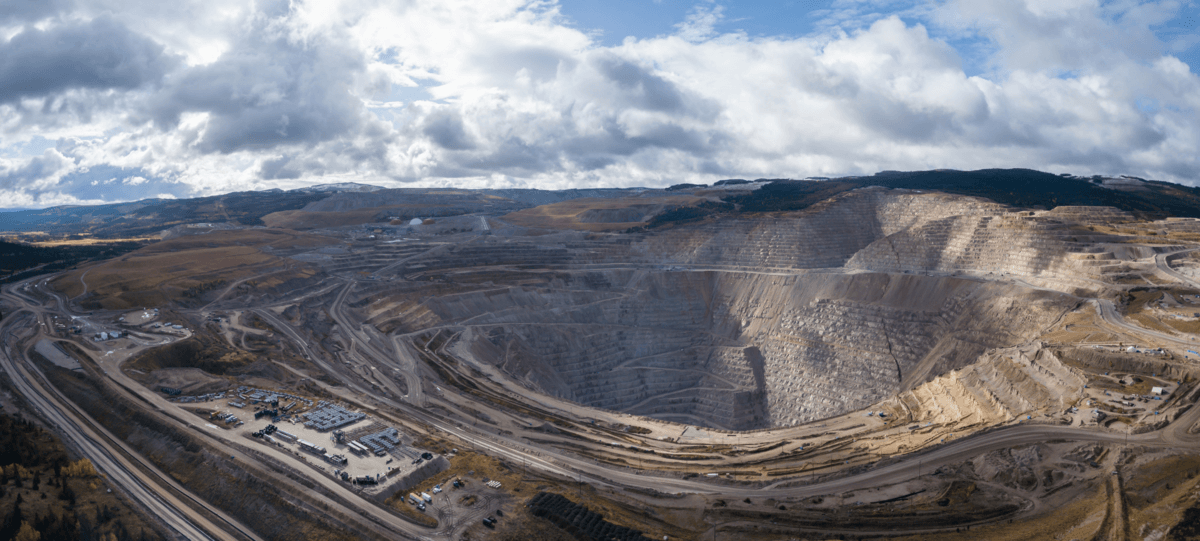
IEMA provided embedded closure specialists within Bathurst Resources to support whole-of-site closure planning across multiple New Zealand coal operations. By applying international best practice and practical operational mining experience, IEMA helped establish consistent, risk-based frameworks, improve coordination across sites, and build internal capability to manage closure as a core business function.
The Objective
Bathurst Resources required support to strengthen and embed closure planning across its operations, spanning multiple active, legacy, and continuation assets with varying regulatory, environmental, and operational contexts.
In New Zealand, closure planning guidance is relatively limited, creating a need for practical, experience-based approaches aligned with international best practice. Bathurst sought to ensure its closure planning was robust, defensible, and consistent across the business, while still being pragmatic and implementable within operational constraints.
Key objectives included:
- Establishing a consistent, risk-based approach to closure planning
- Aligning closure strategies with international best practice, adapted to the NZ regulatory environment
- Improving integration between technical studies, approvals, and operational decision-making
- Increasing internal capability and ownership of closure planning
- Coordinating closure considerations across multiple sites, life-of-mine stages, and teams
Rather than a standalone study, Bathurst required ongoing, embedded support to transition closure into a structured, business-wide function.

Our Response
IEMA provided closure specialists in a secondment role, embedded within Bathurst’s team to support day-to-day closure planning, coordination, and capability development across the business.
Drawing on international closure frameworks and hands-on operational mining experience, IEMA tailored approaches to ensure they were both technically robust and practical to implement within Bathurst’s operating environment.
Key activities included:
- Development and refinement of corporate closure policies, guidelines, and site-specific strategies, aligned with international best practice and adapted for NZ conditions
- Alignment of closure objectives with consent conditions, approvals, and realistic post-mining land use outcomes
- Facilitation of structured closure risk assessments to identify key risks, knowledge gaps, and prioritised work programs
- Coordination of multidisciplinary technical inputs, including landform design, rehabilitation, water management, geochemistry, and contamination
- Integration of technical outputs into coherent, defensible and achievable closure pathways
- Development of closure planning tools, tracking systems, and governance frameworks to support multi-site program management
- Facilitation of internal and stakeholder workshops, including post-mining land use workshops grounded in practical and achievable end states
- Delivery of training, templates, and guidance materials, enabling Bathurst teams to embed closure into everyday decision-making
This embedded model ensured closure planning was informed by real-world operational constraints, bridging the gap between strategy and implementation.

The Impact
For multi-asset operators, effective closure planning depends on more than technical studies it requires integration into everyday business processes.
By embedding a closure specialist within Bathurst’s team, IEMA helped transition closure to a coordinated, risk-managed program, improving consistency, reducing uncertainty, and strengthening readiness for future approvals and relinquishment.
Related Projects

Delivering Integrated Mine Closure Planning and Rehabilitation for a Legacy Coal Operation
IEMA partnered with Muswellbrook Coal Company Limited and Idemitsu Australia to deliver an integrated mine closure planning program for the Muswellbrook Coal Mine following the cessation of mining in 2022. The multi-year program addressed the complexities of closing a legacy mining operation with more than a century of mining history, integrating technical investigations, rehabilitation planning, risk management, regulatory requirements, and stakeholder considerations into a coordination closure strategy.
View Project
Embedding Closure Planning Capability Across Multi-Asset Coal Operations
IEMA provided embedded closure specialists within Bathurst Resources to support whole-of-site closure planning across multiple New Zealand coal operations. By applying international best practice and practical operational mining experience, IEMA helped establish consistent, risk-based frameworks, improve coordination across sites, and build internal capability to manage closure as a core business function.
View Project
Delivering Detailed Mine Closure Planning Across Tier 1 Coal Assets
IEMA supported Yancoal Australia across detailed mine closure planning for multiple coal assets, including the Stratford Mining Complex, Duralie Coal Mine and Austar Coal Mine. The work involved multi-year, iterative closure planning programs across open cut and underground operations, integrating technical studies, risk management, stakeholder engagement, and regulatory alignment.
View Project